Enhancing Production Processes: The Effect of 3D Laser Scanning on Top Quality Control
3D laser scanning innovation is transforming quality assurance in production. By offering high-resolution information and exact measurements, it enables manufacturers to recognize variances from specs with simplicity. This advancement not only simplifies examination procedures however also enhances operational efficiency. 3D Scanning. The implementation of this modern technology comes with its own set of obstacles. Exploring these facets exposes the more comprehensive implications for markets and the future landscape of production
Understanding 3D Laser Scanning Technology
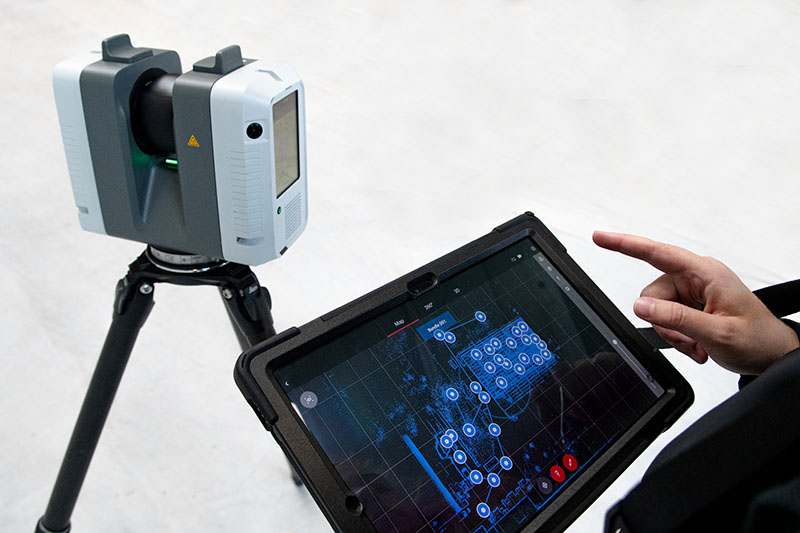
Although 3D laser scanning technology has actually developed considerably over the last few years, its fundamental concept continues to be straightforward: recording the exact geometry of objects making use of laser beam of lights. This modern technology uses laser light to gauge distances in between the scanner and various factors on an item's surface. The data gathered is then refined to create a thorough 3D design, accurately reflecting the dimensions and shapes of the scanned things.
Normally, 3D laser scanners can be categorized right into two major kinds: get in touch with and non-contact scanners. Contact scanners physically touch the challenge gather dimensions, whereas non-contact scanners utilize laser beam of lights to record information from a distance. The adaptability of this modern technology allows its application throughout different sectors, including manufacturing, style, and construction. Its ability to produce high-resolution designs helps with quality assurance, reverse design, and quick prototyping, inevitably boosting design precision and effectiveness in production procedures.
Advantages of 3D Laser Scanning in Manufacturing
As manufacturers seek to improve effectiveness and precision in their procedures, the benefits of 3D laser scanning have actually come to be progressively noticeable. This ingenious innovation permits very accurate and rapid dimensions of intricate geometries, significantly minimizing the time needed for high quality checks. By capturing detailed information, producers can identify disparities early in the production process, therefore lessening waste and rework expenses.
3D laser scanning helps with far better style recognition, allowing designers to compare as-built problems with original specs. This capability ensures that any deviations are immediately addressed, improving total item high quality. On top of that, the modern technology supports the development of electronic twins, which can be used for simulations and procedure optimizations. As a result, manufacturers not just boost their functional efficiency however additionally enhance their competitive advantage out there. In general, the assimilation of 3D laser scanning stands for a transformative step toward accomplishing greater standards in producing top quality control.
Assimilation of 3D Laser Scanning Into Quality Assurance
Integrating 3D laser scanning into high quality control procedures boosts the precision and efficiency of examinations throughout production. This technology enables producers to catch comprehensive, high-resolution data of elements and settings up, permitting for precise measurements and comparisons versus layout requirements. By employing 3D laser scanning, organizations can determine inconsistencies from resistances extra properly, which is crucial for keeping item stability.
Real-World Applications and Instance Researches
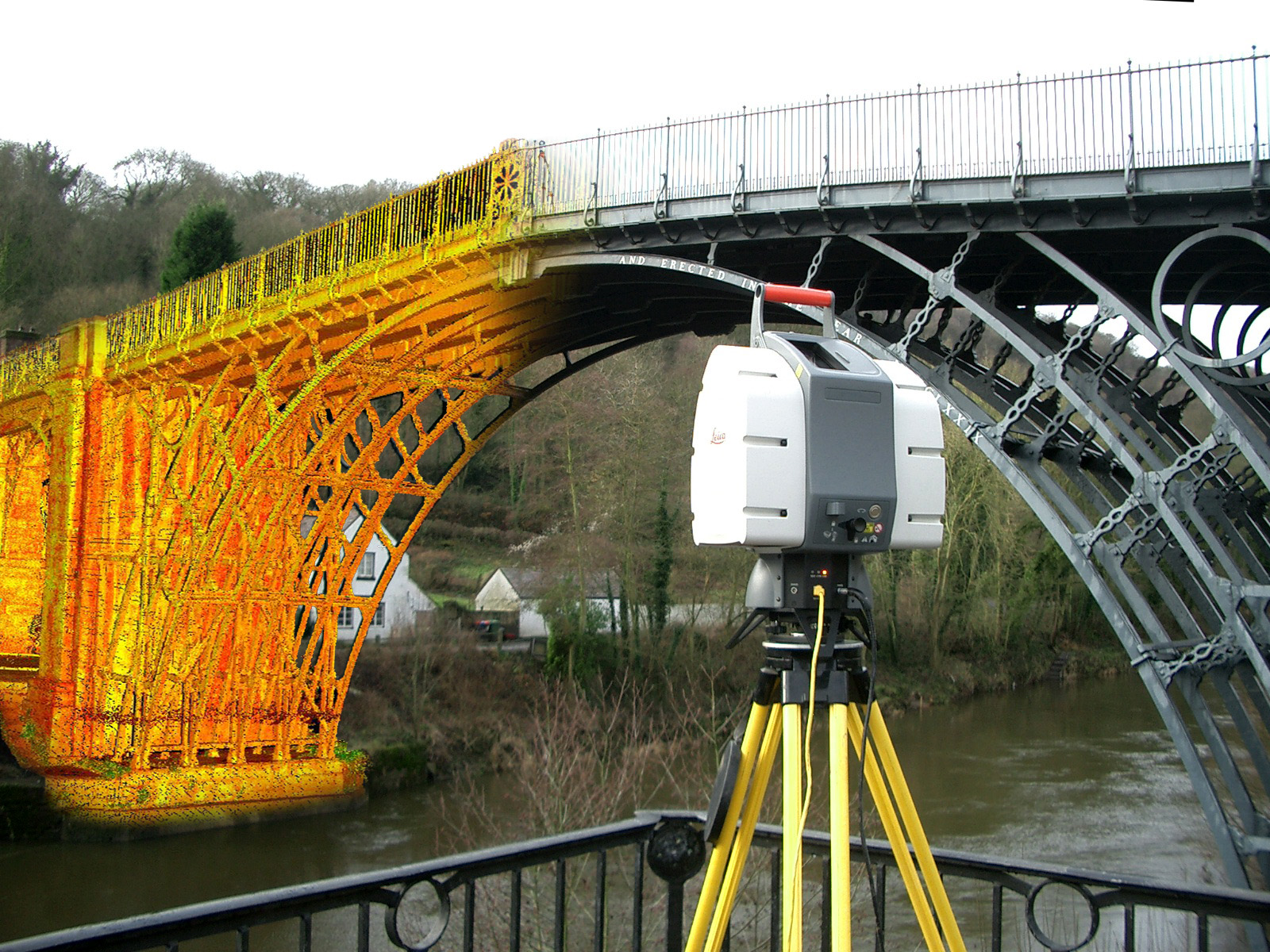
Real-world applications of 3D laser scanning in producing demonstrate its transformative influence throughout different industries. Aerospace business use this innovation to conduct specific assessments of components, guaranteeing they meet rigorous security standards. A notable situation involved a leading airplane manufacturer that utilized 3D laser scanning to streamline its top quality control processes, substantially decreasing inspection times and errors.
In the automotive market, manufacturers have applied laser scanning to create electronic doubles of their lorries, allowing real-time adjustments throughout manufacturing. One vehicle company reported a 30% reduction in rework expenses after integrating this technology right into their assembly lines.
In addition, in the durable goods sector, companies are utilizing 3D laser scanning for rapid prototyping, enabling quicker models and enhanced product layouts. These applications show exactly how 3D laser scanning not just boosts accuracy but also improves effectiveness and technology throughout numerous production domain names.
Overcoming Obstacles in Execution
Implementing 3D laser scanning in manufacturing presents several challenges that organizations must browse to totally understand its advantages. One substantial difficulty is the initial expense of equipment and software application, which can hinder companies from adopting this innovation. Furthermore, incorporating 3D laser scanning into existing workflows needs getting over resistance to change among staff members, necessitating comprehensive training programs to assure proficiency. Information monitoring also positions a challenge, as the high volume of info produced by 3D scanning should be successfully refined and analyzed to derive workable understandings. Compatibility problems with legacy systems may hinder smooth assimilation, requiring prospective upgrades or adjustments. Dealing with these challenges is important for suppliers intending to boost high quality control and enhance production procedures. By creating clear methods for training, investment, and data monitoring, business can reduce these barriers and launch the transformative potential of 3D laser scanning in their procedures.
Future Fads in 3D Laser Scanning for Manufacturing
As manufacturing remains to develop, the integration of 3D laser scanning with raised automation is anticipated to transform manufacturing processes. Improved information analytics will play a vital function in improving and maximizing workflows top quality control. These fads highlight the capacity for better effectiveness and precision in manufacturing settings.
Raised Automation Integration
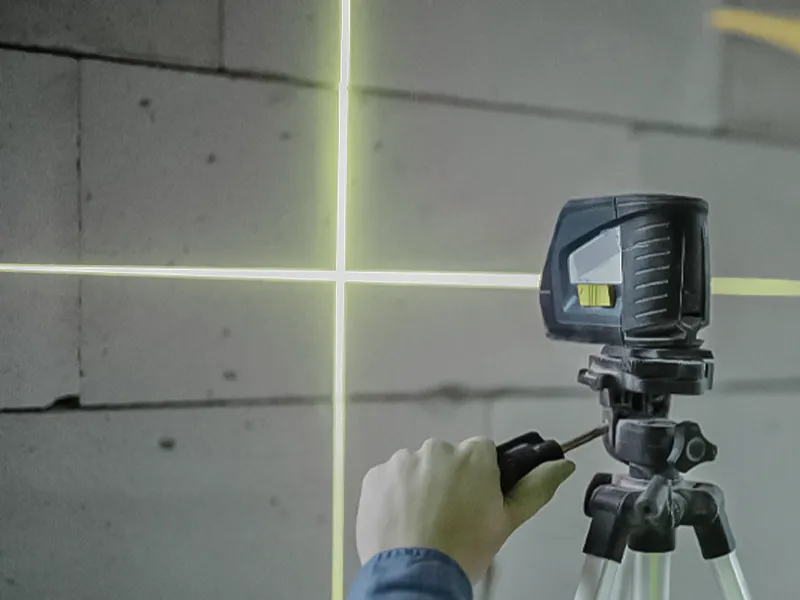
The combination of automation in manufacturing has been progressive, the future of 3D laser scanning is poised to accelerate this pattern significantly. As producing processes become increasingly complex, the demand for precise, real-time measurements grows. 3D laser scanning modern technology offers automated information capture, lowering labor prices and decreasing human mistake. This integration enables producers to improve quality assurance processes, enabling quick discovery of variances in production. Furthermore, the alignment of 3D laser scanning with robotics and automated systems facilitates smooth operations, enhancing total performance. As producers take on these sophisticated innovations, they can expect better accuracy and productivity, placing themselves competitively in a quickly advancing market. The harmony between automation and 3D laser scanning notes a substantial leap onward in making development.
Enhanced Information Analytics
The combination my link of automation has actually paved the means for developments in information analytics within the domain name of 3D laser scanning. Manufacturers are significantly leveraging advanced formulas and artificial intelligence strategies to evaluate substantial datasets produced by laser scans. This enhanced information analytics capacity permits real-time surveillance of producing procedures, enabling the recognition of problems and inconsistencies much more properly than conventional approaches. Anticipating analytics can visualize prospective concerns, significantly lowering downtime and enhancing general performance. The capacity to visualize data in 3 measurements provides deeper understandings into production process, cultivating better decision-making. As 3D laser scanning technology official statement continues to progress, the duty of information analytics will certainly become increasingly important in driving technology and keeping affordable benefit in production.
Frequently Asked Questions
What Industries Benefit the Most From 3D Laser Scanning?
The industries that profit most from 3D laser scanning consist of production, building, aerospace, vehicle, and medical care. These markets use the innovation for precision measurements, high quality guarantee, and reliable style processes, significantly enhancing general operational efficiency.
Exactly How Does 3D Laser Scanning Contrast to Standard Measurement Techniques?
3D laser scanning offers higher precision and rate contrasted to traditional dimension approaches. It catches comprehensive geometries rapidly, reducing human mistake and promoting much better analysis, which ultimately enhances overall high quality control in various sectors.
What Is the Cost of Carrying Out 3D Laser Scanning Modern Technology?
The price of applying 3D laser scanning technology differs significantly, generally ranging from $10,000 to $100,000, depending upon devices, training, and software application. Organizations must weigh these expenditures against possible efficiency and top quality renovations.
Exist Specific Software Application Requirements for 3D Laser Scanning?
Yes, 3D laser scanning calls for specific software program, including information processing and modeling applications. Typical choices include CAD software program, factor cloud processing devices, and specialized applications that facilitate the combination and evaluation of scanned information for excellent results.
The length of time Does a Normal 3D Laser Scanning Refine Take?
A regular 3D laser scanning procedure can take anywhere from a few mins to several hours, depending on factors like my sources the size of the object, intricacy of the atmosphere, and called for level of information for accuracy.
3D laser scanning modern technology is transforming top quality control in production. 3D laser scanning innovation has progressed substantially in recent years, its fundamental concept continues to be straightforward: recording the exact geometry of objects using laser beam of lights. Incorporating 3D laser scanning into top quality control processes boosts the precision and efficiency of assessments throughout production (3D Scanning). 3D laser scanning innovation offers automated information capture, decreasing labor prices and minimizing human mistake. The expense of carrying out 3D laser scanning technology varies considerably, normally ranging from $10,000 to $100,000, depending on software program, tools, and training